






treatments
Sealants
Tooth decay often occurs on the chewing surfaces of back teeth. Sealants can offer major protection against tooth decay and improve the likelihood that you will remain filling-free.
What is a sealant? A sealant is a material that is applied to the teeth where decay occurs most often—the chewing surfaces of the back teeth. These teeth have pits and grooves that are difficult to keep clean, because toothbrush bristles cannot reach into them. The sealant—a plastic resin—bonds into the pits and grooves and acts as a barrier, protecting enamel from plaque and acids.
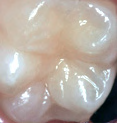 Unsealed tooth |
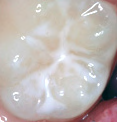 After sealing |
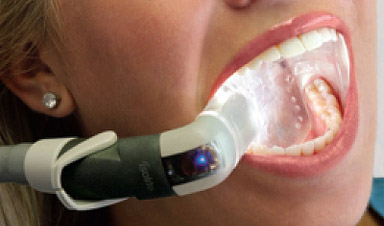
How are sealants applied? It usually takes only a few minutes to seal each tooth. First, the teeth that will be sealed are cleaned. Second, the chewing surfaces are pre-treated with a conditioner to help the sealant stick to the tooth. Third, the sealant is ‘painted’ onto the tooth enamel, where it bonds directly to the tooth and hardens. Sometimes a special curing light is used to help the sealant harden.
How long do sealants last? Sealants may last several years before they need to be reapplied. As long as the sealant remains intact, the tooth surface will be protected from decay. During your regular dental visits, your dentist will check the condition of the sealants and reapply them when necessary.
This is an extract from "Sealants-a quick reference guide" brochure published by the American Dental Association. Pick up a detailed brochure at our office.